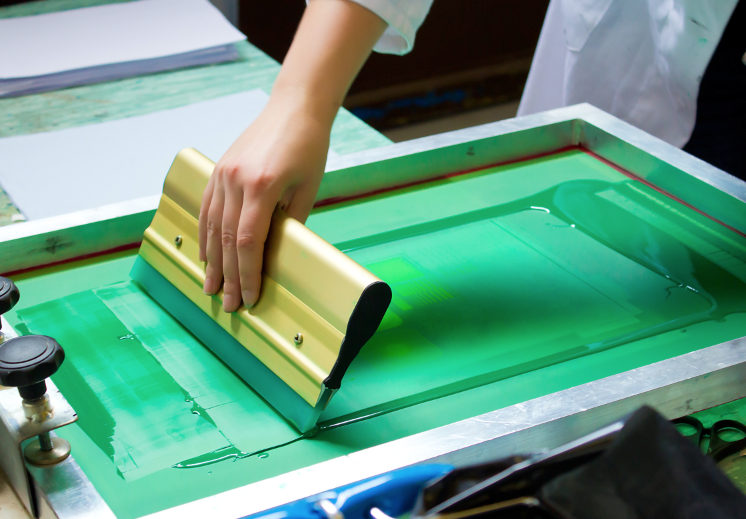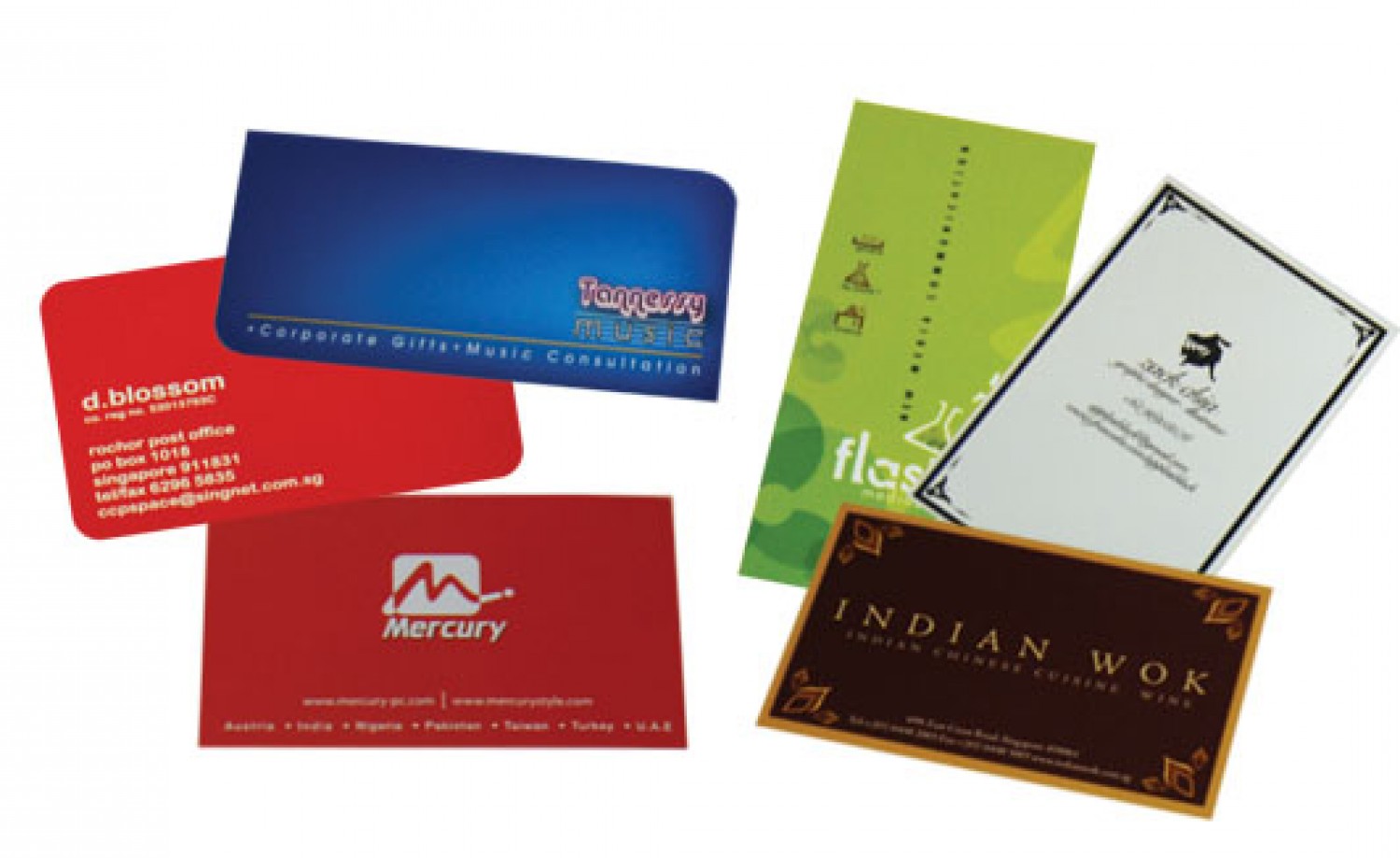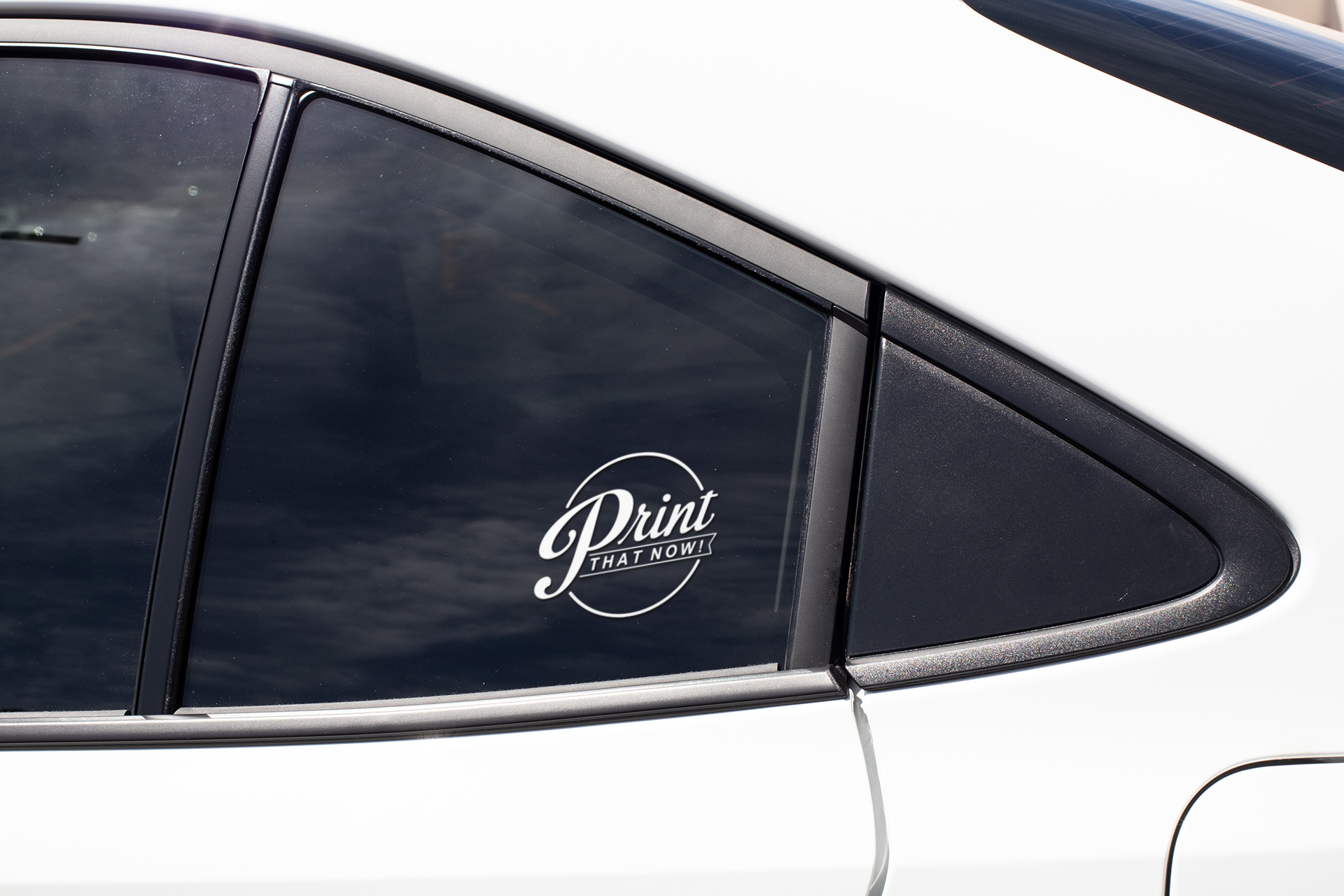
How will Sticker Printing Singapore will create buzz for the business enterprise?
As we know, people are living in a technological era known as the digital age. The facilities provided to the person should be premium to attract attention. Namecard printing companies are free premium business cards to the business person. It will be an essential tool for promoting and marketing of the business firm. In the competitive era, Different techniques and tools are used through firms to attract potential customers. With the premium card, there will be a buzz in the sale and an increase in the profit.
In the market, stiff competition is going among different enterprises. It is difficult for the customers to remember all the products and services at reasonable rates. The business card plays a vital role in increasing the sale of the product. The design and pattern of the card should be different and unique from other name cards available in the market.
Features of the Sticker Printing Singapore
The following are the features through Sticker Printing Singapore companies for the clients and customers.
Create awareness about business - the cards will be beneficial for creating awareness about business among the clients and the customers. The designing of the cards will be different and unique to attract the attention of potential customers. Information will be provided about the turnover of the business firm to the clients for supplying products on credit. It will give an impressive Goodwill image of the business enterprise in the market.
Result-oriented tool - the printing of the name card for the business firm will be result oriented tool for the business person. An edge will be provided to the business firm in the stiff competition prevailing in the market. All the information about the email address and location of the business will be provided to make contact. It is the feature that is enforcing the business person to design and create a print of the premium name card for the market.
Brings appeal and quality - the premium business card created through Sticker Printing Singapore companies will bring appeal and quality to the business firm. There will be a presentation of the brand of the company. It will help in easy recognizing of the products and services of the company. The charges of the printing and designing of tea premium card should be under the funds available with the business person. Proper research can be done at an online site to know about the features of the big premium business card.
In a nutshell, Namecard Printing companies are offering different varieties of a business card to the person. The decision should be taken after making a comparison in the quality and appeal of the name card. The impression of the customer will be long-lasting and effective to increase the sale and profit of the business enterprise. Along with the local stores, the design on the cards can be done from online stores at reasonable rates. …